
Industrial Process Piping: Installation, Quality Control and Facility Reliability
Understand industrial process piping installation, technical coordination, inspection and quality control for reliable facility operations.
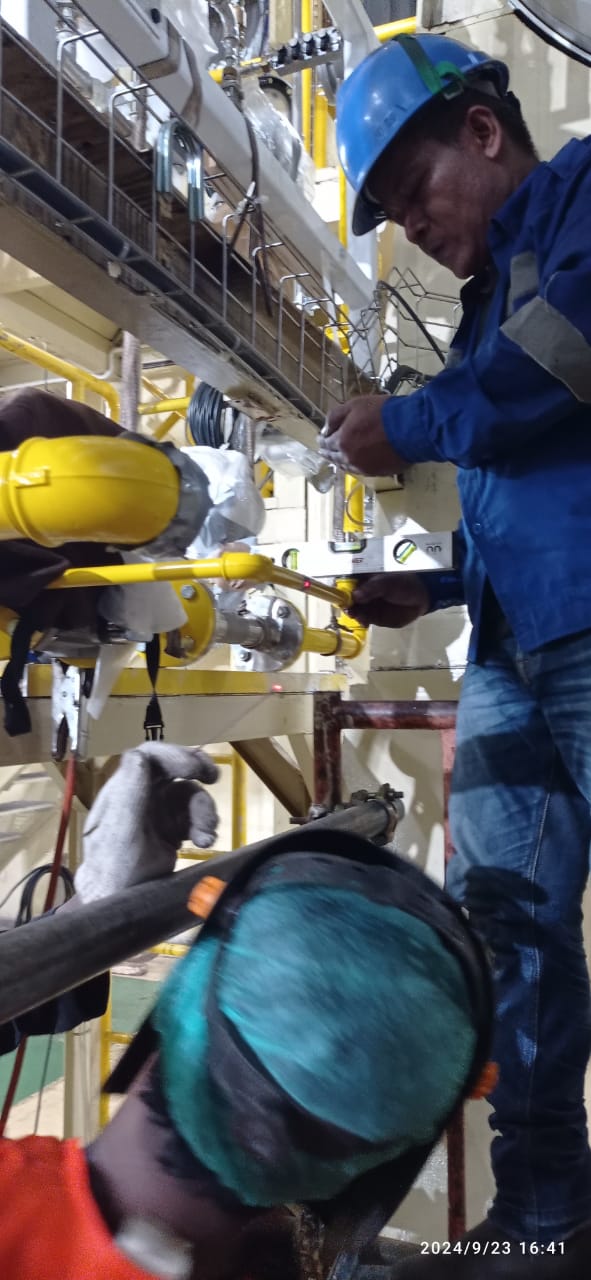
Industrial piping systems are not always the most visible part of a facility, yet they connect utilities, equipment and operational processes. A reliable installation begins long before the first pipe is fitted: the engineering team must define the system’s function, work boundaries, installation methods, inspection requirements and interfaces with other disciplines.
For facility owners and operations teams, the quality of industrial process piping should not be judged from photographs or a completed installation alone. What matters is whether the system meets verified technical requirements and can be operated, inspected and maintained appropriately.
What Is Industrial Process Piping?
Process piping distributes fluids or supports industrial processes and utilities. Depending on the facility, it may involve utility lines, process drains, cooling circuits or connections to equipment. Different systems can require different materials, supports, joints, tests and documentation. Their requirements must be established from the project’s technical specifications, not generalized across all facilities.
Why Installation Planning Matters
Within operating facilities, piping routes may intersect with structures, electrical systems, machinery and maintenance access. Early coordination helps the project team review layout constraints, avoid conflicts between disciplines and plan a safe sequence of work.
- Routing: confirm that proposed pipe runs align with the technical requirements and the space available.
- Interfaces: coordinate with structures, electrical installations and adjacent equipment.
- Pipe supports: check support requirements against the relevant engineering design.
- Maintenance access: preserve access for inspection, repair or replacement.
- Work safety: identify hazards associated with the actual methods and site conditions.
These checks can uncover issues before installation, although the detailed approach depends on the facility and project scope.
Quality Control Starts Before Installation Is Complete
Quality control is not a final visual check. Inspection activities may include verifying material specifications, dimensions, routing, connections, support positions and documentation. The inspection and testing methods must follow the agreed project specifications, system characteristics and applicable technical requirements.
Documented inspections give clients a basis for assessing conformity and following up on identified issues. Photographs can support progress records, but they are not a substitute for inspection evidence or acceptance criteria.
Safety and Site Coordination
Piping works may include lifting, working at height, mechanical equipment and, when applicable, hot work. Risk controls should reflect the actual tasks and conditions. Pre-work coordination and toolbox meetings, where required, can help communicate the sequence, responsibilities and hazards. However, briefings or personal protective equipment alone do not demonstrate that a project is accident-free.
Questions Facility Owners Should Ask a Piping Contractor
- How will the contractor validate the facility’s operating requirements and limits?
- How will piping routes be coordinated with structures, utilities and equipment?
- Which inspections and acceptance records are planned?
- How will site safety risks be assessed and controlled?
- Have future inspection and maintenance needs been considered?
These questions help facility owners evaluate the proposed approach beyond installation capability. The answers should be supported by project-specific documentation, not unsupported performance claims.
PT Sinar Alam Cakrabuana’s Engineering Approach
PT Sinar Alam Cakrabuana (SAC) has provided engineering services since 2005. Its service areas include Mechanical, Electrical & Plumbing (MEP); Civil, Structural & Architectural (CSA); Machinery & Building Maintenance Services; and Precast Solutions.
For process piping requirements, discussions should begin with the verified scope, site conditions, technical specifications, coordination needs, inspections and safety arrangements. Project methods and delivery expectations need to be agreed for each assignment.
Discuss Your Industrial Piping Requirements
Whether your facility is in Cirebon, West Java or another part of Indonesia, Sinar Alam Cakrabuana (SAC) can discuss process piping requirements based on verified specifications and project scope. SAC’s services span MEP, CSA, machinery and building maintenance, and precast solutions. Explore MEP services, browse projects, or contact the team.