
Micro-Hydropower Plant Construction and Civil Infrastructure
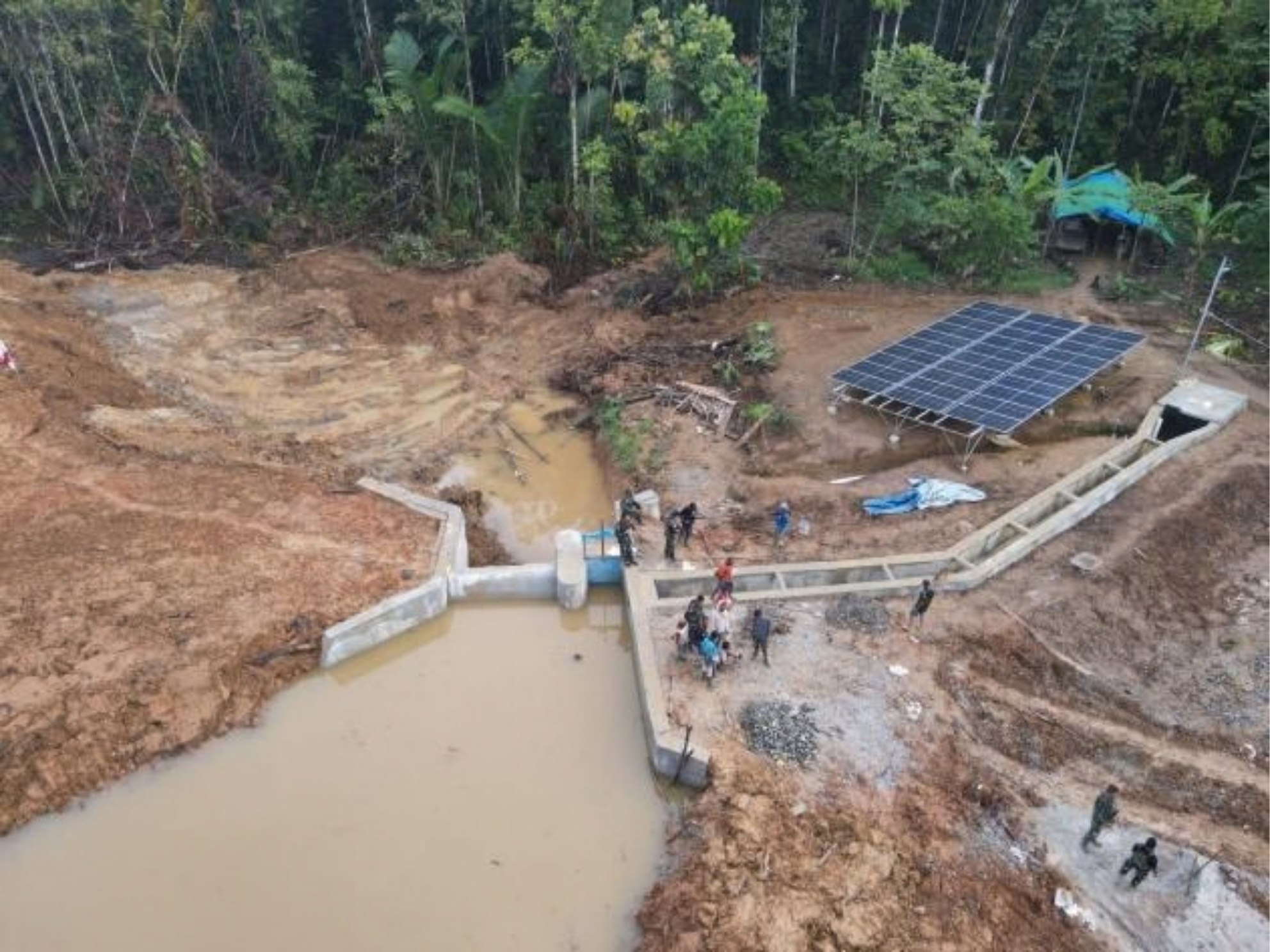
Project Description
A micro-hydropower plant uses the available water flow and hydraulic head to drive a turbine and generator. The performance of the system depends on the arrangement of hydraulic structures, water conveyance infrastructure, the penstock, and the powerhouse.
Through its Civil, Structural & Architectural (CSA) services, PT Sinar Alam Cakrabuana (SAC) undertakes civil construction associated with micro-hydropower infrastructure. Planning considers topography, hydrology, geotechnical conditions, and electromechanical interfaces according to the engineering design.
Scope of Work
- Survey and design review. Examine topographic information, design flows, hydraulic head, ground conditions, site access, and approved construction documents.
- Site preparation and earthworks. Arrange access, excavation, slope stability measures, and work controls near water.
- Water intake structures. Construct intake elements, trash racks, or sediment-control structures where included in the design.
- Headrace and forebay. Build water conveyance channels and a forebay where the plant configuration requires these components.
- Penstock and supports. Coordinate the pressure pipeline route, anchor blocks, supports, and interfaces to the turbine system.
- Powerhouse and tailrace. Construct the powerhouse and equipment foundations, and provide the specified turbine discharge route.
- Interfaces and inspection. Coordinate civil works with turbines, generators, and electrical equipment; system testing follows the agreed project responsibilities.
Work Outcomes
Micro-hydropower civil construction establishes the infrastructure needed to divert, convey, regulate, and discharge water through the designed generation system. The arrangement of intake, headrace, forebay, penstock, powerhouse, and tailrace follows the site-specific plant configuration.
Structural stability, correct elevations, erosion protection, and electromechanical interfaces are important inspection points. Installed generating capacity, actual flow performance, and commissioning outcomes must be established from project test records.
Engineering Value: Hydraulic and Structural Integration
Micro-hydropower construction combines hydraulic, structural, geotechnical, and electromechanical engineering. Coordination helps ensure that changes in elevation, support conditions, and water conveyance routes do not compromise the intended interfaces.
For broader technical context, visit the United Nations Industrial Development Organization (UNIDO) and explore SAC’s civil infrastructure project reference on rainwater infiltration at industrial sites.
What This Means for Clients: Convenience, Responsiveness and Peace of Mind
Micro-hydropower construction requires close coordination among hydraulic structures, site conditions, and power-generation equipment interfaces. SAC supports client convenience by aligning topographical inputs, hydraulic requirements, access planning, and the civil construction sequence.
Responsive execution is supported by identifying site constraints early and coordinating excavation, structures, and penstock or powerhouse interfaces against approved design information. This supports efficient decisions without making unverified completion-time promises.
Client confidence depends on a clear scope, structural inspection checkpoints, communication about site changes, and attention to safety and environmental conditions. Flow performance and generating capacity require separate technical verification.
Discuss Your Micro-Hydropower Project
For micro-hydropower civil works, intake structures, penstock routes, and powerhouse foundations in Cirebon, West Java or other regions of Indonesia, PT Sinar Alam Cakrabuana (SAC) provides CSA construction and engineering coordination. Contact SAC to discuss site conditions, structural requirements, and the civil scope of your hydropower project.